Is water being lost?
Compare recent utility usage, check for an unexplained meter reading and note whether the problem changes when fixtures or irrigation are turned off.
How to check your meter ↗A high bill, damp tile, a pool losing water, or the sound of flow behind a wall can all start the same question: where is the leak? Get leak detection help in Fort Myers with a clear plan for the right inspection, whether the problem involves a slab, plumbing line, pool or buried pipe.

Sometimes the first sign is a water bill that makes no sense. Sometimes it is a patch of warm tile, a damp baseboard, or a pool that seems to need filling every few days. The visible clue is rarely the whole story.
Finding a hidden leak starts by identifying the system involved: the pressurized supply, a drain, a pool circuit or an underground service line. A useful assessment may involve meter checks, pressure isolation, acoustic listening, moisture mapping or thermal imaging—depending on what the evidence suggests. Learn how a visit works in our inspection guide.
How the inspection process works ↗Start with the symptom, not with a hole in the floor. The cause could be plumbing, pool circulation, irrigation, drainage or moisture entering after rain.
Compare recent utility usage, check for an unexplained meter reading and note whether the problem changes when fixtures or irrigation are turned off.
How to check your meter ↗Warm flooring may suggest a hot-water line; damp walls can indicate plumbing or waterproofing; unexplained pool loss needs a different set of tests.
Compare the warning signs ↗The right diagnostic method can narrow the likely location before a contractor discusses access or repairs. No single test identifies every kind of leak.
Explore the inspection steps ↗A slab leak is not a pool leak. A dripping drain is not a pressurized supply line. Explore the right service before deciding what to do next.
View all services ↗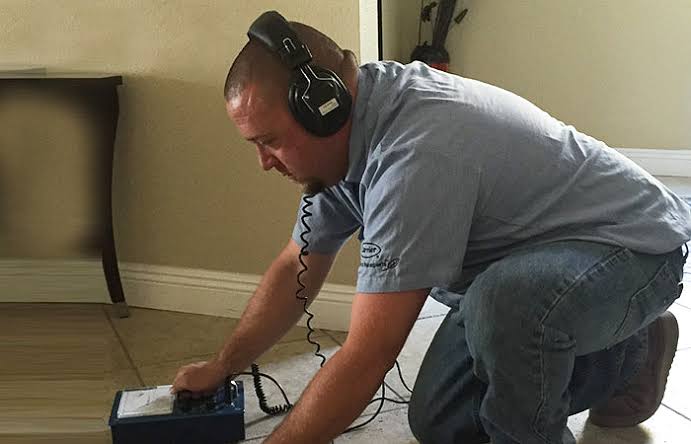
Warm spots, damp flooring, or a line hidden beneath concrete? Start with a focused slab-leak assessment.
Explore this service ↗
Find out whether pool water loss is coming from plumbing, fittings, the shell, or normal evaporation.
Explore this service ↗
Trace suspected buried supply-line leaks before deciding where digging is truly needed.
Explore this service ↗
Investigate concealed supply-line problems, corroded fittings, and unexpected pressure loss.
Explore this service ↗
Separate waste-line issues from pressurized-line leaks and understand the next diagnostic step.
Explore this service ↗
Learn when thermal imaging can help track hidden moisture and when additional testing matters.
Explore this service ↗
Plan diagnostics for offices, retail spaces, restaurants, and shared plumbing systems.
Explore this service ↗
Track staining, damp drywall, and shower-area leaks back toward their true source.
Explore this service ↗Clear symptoms lead to better questions, and better questions lead to a more useful diagnosis. Here is the sequence worth looking for.
Read our diagnosis guide →When the bill rose, which floor feels damp, what happened after rain, and which fixtures trigger the symptom.
Differentiate plumbing, drainage, pool, irrigation, and non-plumbing moisture.
Use suitable tools and evidence rather than opening the first wet surface.
Understand findings, safe access, and qualified repair options.
Every property is different. These signs deserve attention—especially when several appear together.
Check your water meter ↗Your meter or utility history changes without a clear reason.
Discoloration, soft baseboards, or a recurring wet patch.
One area feels unusually warm, possibly near a hot-water line.
Water loss seems greater than weather and evaporation explain.
What matters to customers is not a flashy claim—it is knowing what was checked, what it means, and what happens next.
The timing and location of your symptoms shape the approach.
Understand what the evidence supports and which questions remain.
Plan tests and access thoughtfully before unnecessary openings.
Know when targeted repair, further inspection, or another specialist makes sense.
A useful customer review describes what happened, not just a star score. We welcome feedback about communication, the clarity of the findings, respect for the home and whether the next steps made sense.
Customer comments are considered for publication only with consent and after verification. Ratings or testimonials are not displayed unless supplied by actual customers.
Florida humidity, afternoon storms, irrigation systems, pool equipment, and slab foundations can make a leak harder to interpret. A useful diagnosis separates normal water movement, outside intrusion, and actual plumbing failure.
Fort Myers utility customers can also review their usage through the City's WaterSmart information. Knowing the pattern of consumption can help distinguish continuous loss from changes in everyday use.
That can be a useful sign of unexpected use. Before concluding the pipe is broken, inspect running toilets, irrigation, and automatic fills.
Read the meter checklist ↗



Get a clear starting point for your next decision.
The first useful step is a clear description of the problem. Call or send a service inquiry.